Urban Policy of the European Union
Cities have a primordial role to play in responding to major European challenges; they are natural partners of the European Union.
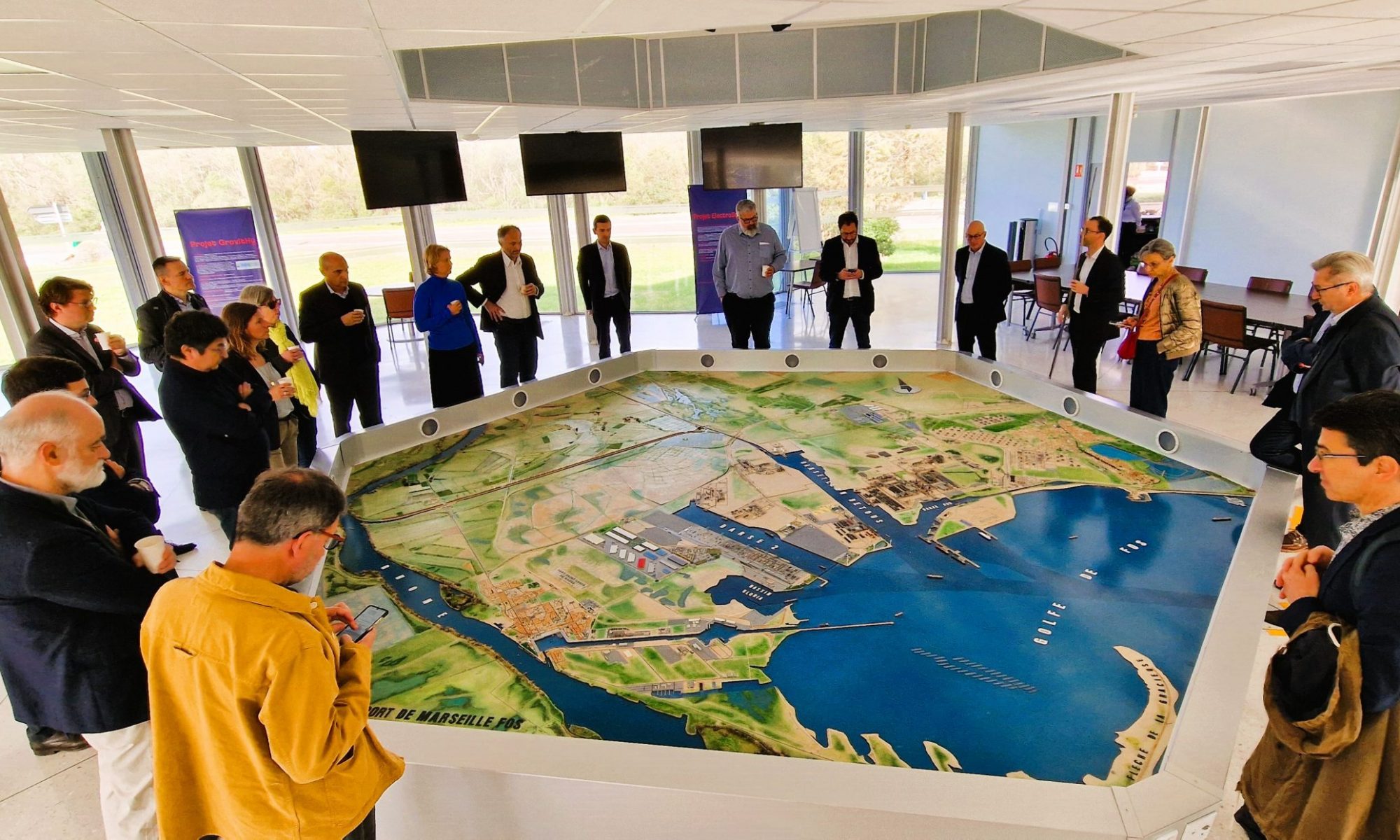
At a time when negotiations are progressing rapidly on the European Union’s 2028-2034 multiannual financial framework, Eurocities hosted a BEST seminar in Brussels. The objective was to illustrate how European decisions are made on a key issue for French cities and how their representatives can organize collectively to influence these decisions.
After a presentation by Eurocities teams on the current state of discussions regarding the future EU budget and the stakes for cities, we organized meetings with representatives from the European Commission, the European Parliament, and the Committee of the Regions, who are at the heart of the negotiations. These exchanges allowed the Directors-General (DGS) to understand that the next European budget runs a high risk of being centralized at the Member State level, thus failing to take into account the priorities of cities. This puts at risk the ability of cities to obtain the necessary funding for cohesion, competitiveness, as well as the green and digital transitions.
During the discussions, the DGS were able to illustrate the vital role of cities in meeting Europe’s major challenges and emphasize that it is therefore essential for them to continue benefiting from EU financial support and to have a seat at the table when priorities are defined.
The day concluded with a joint reflection among the DGS, France Urbaine, and Eurocities on the most effective way to defend the interests of French cities in the negotiations on the next budget and to involve newly elected officials.
As this new meeting format for the BEST network in Brussels—designed to explore a strategic European issue and define influence strategies—has proven its potential, Eurocities will be pleased to repeat the experience each year in partnership with France Urbaine around a theme to be determined based on current events.
André Sobczak
Secretary General of Eurocities
PRESENTATION OF EUROCITIES (A) AND PROGRAM OF THE SEMINAR (B)
Eurocities
The history of Eurocities is closely linked to the recognition of the “urban factor” in European integration.
The network was created in 1986 on the initiative of the mayors of six major pioneering cities that wished to unite to exert influence on States and Europe: Lyon, Milan, Rotterdam, Barcelona, Frankfurt, and Birmingham.
In its 40 years of existence, this international non-profit association (AISBL) under Belgian law has become an essential organization, establishing itself as a key player in city diplomacy within Europe.
Today, the network brings together more than 200 large metropolitan areas and leading cities from 38 countries (both EU and non-EU members), collectively representing over 150 million inhabitants.
Missions and objectives
Eurocities operates primarily at the interface between the local level (metropolitan areas) and the European level (EU institutions). Its missions are structured around three major pillars:
* Advocacy and interest representation
* Knowledge sharing and best practices
* Cooperation and projects.
Organization and governance
Eurocities is managed from its general secretariat based in Brussels.
The Executive Committee is composed of 12 elected cities (represented by their mayors) on a rotating mandate. It oversees the annual work program and the budget of the association.
The Annual General Meeting brings together all member cities to approve major strategic directions.
The core work is carried out within 6 major sector forums bringing together local government experts and directors:
* Climate and Environment
* Economic Development
* Culture
* Digital Transition
* Mobility
* Social Affairs
Each forum is chaired by a member city (Lyon or Bordeaux regularly hold responsibilities there).
Program of the seminar
Introduction to the day and briefing on the next Multiannual Financial Framework (MFF) by Eurocities.
Exchange with Nicolas Clisson, Head of Unit for CAP and Structural Policies, and Muriel Jakubowicz, Administrator, Directorate-General for Budget, European Commission
Exchange with Estelle Göger, Deputy Head of Cabinet in charge of budgetary issues, Laia Pinos-Mataro, in charge of energy, climate, and environment, and Valentina Schaumburger, in charge of SMEs and public procurement, within the cabinet of Stéphane Séjourné, Vice-President for Prosperity and Industrial Strategy, European Commission
Exchange with Olivier Plumandon, Head of Cabinet for Younous Omarjee, Vice-President of the European Parliament and member of the European Parliament’s REGI Committee
Exchange with Pascal Smet, member of the European Committee of the Regions and former Minister and Secretary of State of the Brussels-Capital Region
Working lunch session on mobilizing French cities and metropolitan areas for advocacy regarding a European budget
Exchange between André Sobczak, Secretary General of Eurocities, and active Directors General of Services regarding the next European trip of the BEST network